
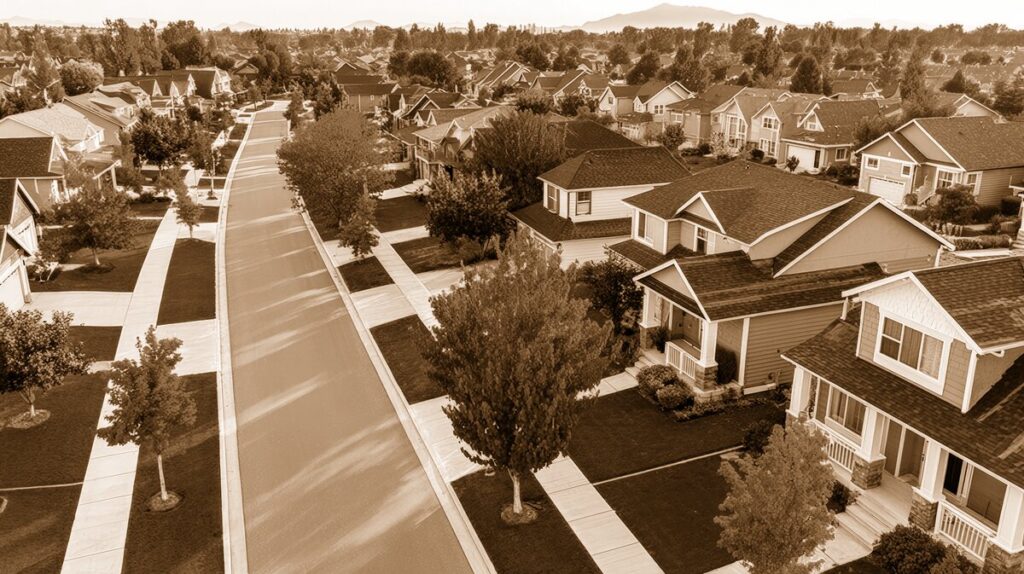
For generations, May Park has stood as both a literal and symbolic center in Augusta, Georgia’s urban story. Tucked between the historic downtown district and bustling medical campuses, this resilient neighborhood wears its rich history with pride, balancing its past with a spirit of renewal. Walking its tree-lined streets and pausing in the park that gave the area its name, one feels a strong sense of connection—both to Augusta’s heritage and to the hardworking families who have called this place home.
Origins: A Neighborhood Grows Around a Park
May Park’s roots reach deep into Augusta’s post-Reconstruction era, when the city was expanding outward from its riverfront downtown. Named after the lush public green space at its heart, May Park quickly became a magnet for families seeking respite from the city’s industrial bustle. The park itself was named for Mrs. Julia May, a local philanthropist who championed community wellness and recreation. When Augusta leaders designated the land at the corner of 11th Street and D’Antignac Street for public use in the late 1800s, they honored her vision of a green oasis accessible to all.
Soon, neat rows of cottages and stately homes began to sprout along key thoroughfares such as D’Antignac, Fenwick, and James Brown Boulevard (formerly 9th Street). These homes reflected the modest prosperity of Augusta’s merchants, educators, and craftsmen—many of whom worked in the nearby cotton warehouses and railroad yards that powered the city’s economy.
Key Historical Milestones
May Park witnessed both the triumphs and turmoil of Augusta’s twentieth century. Early in the century, the neighborhood became known for its vibrant community life, with block parties, Sunday picnics, and church socials filling the calendar. Institutions like Tabernacle Baptist Church on Laney-Walker Boulevard played pivotal roles, not only in worship but also as meeting spaces during the Civil Rights Movement.
As Augusta modernized, May Park felt the ripple effects. In the 1950s and ‘60s, the construction of the Augusta Canal levee system and urban renewal projects touched the edges of the neighborhood—sometimes for better, sometimes for worse. While many residents welcomed infrastructure improvements, others mourned the loss of historic homes and local businesses displaced by new developments.
A key milestone came in the 1970s, when community activists successfully lobbied the city to renovate May Park itself, ensuring that its playgrounds, ballfields, and shaded walking paths would continue serving the neighborhood for decades to come. The park’s recreation center became a hub for youth sports leagues, senior socials, and civic gatherings—a tradition that carries on to this day.
Landmarks, Institutions, and Notable Streets
No mention of May Park would be complete without highlighting landmarks that anchor its identity:
- May Park Recreation Center: Situated at 1014 11th Avenue, this community treasure hosts after-school programs, basketball tournaments, and public meetings. Generations have learned to swim, play, and lead right here.
- Tabernacle Baptist Church: This iconic institution has been a cornerstone not only for May Park but for all of Augusta, fostering community service and social justice.
- D’Antignac Street: Known for its eclectic mix of historic homes, some dating back to the early 1900s, and its vital link between downtown Augusta and the Medical District.
- James Brown Boulevard: Formerly known as 9th Street, it was renamed in honor of “The Godfather of Soul,” who spent boyhood years in Augusta and whose ties to the city run deep.
Nearby, the Lucy Craft Laney Museum of Black History celebrates the life of the trailblazing educator whose work touched countless May Park families. The museum, a short stroll away, stands as a testament to the neighborhood’s proud African American heritage.
Evolution Over the Decades
May Park’s story is one of perseverance and adaptation. During the latter half of the twentieth century, the neighborhood faced challenges familiar to many inner-city communities: shifting economic tides, waves of migration, and periods of disinvestment. Yet, May Park’s sense of identity never faded.
In recent years, signs of renewal have blossomed along its avenues. Young families and longtime residents alike have banded together to restore historic homes, organize community clean-ups, and advocate for safer streets. New businesses have opened along James Brown Boulevard, infusing the neighborhood with fresh energy while honoring its roots.
The park itself has evolved, responding to community needs. Where once sandlot baseball was the main draw, you’ll now find basketball courts, a splash pad for kids, and expanded picnic areas—all reflecting the changing rhythms of Augusta life. Annual events, like May Park Day, celebrate local food, music, and history, further strengthening neighborhood bonds.
Why May Park Endures
Ask residents what makes May Park special, and a few common themes always surface: resilience, pride, and a deep commitment to community. Families boast of children and grandchildren growing up in the same houses. Elders recount stories of block parties stretching late into the summer evenings, or marching together in downtown parades. Neighbors look out for each other, and the May Park Recreation Center remains a gathering place where all are welcome.
As Augusta continues to grow and change, May Park stands as a living record of the city’s hopes and hardships, its diversity and unity. Walking through the neighborhood—past restored homes, vibrant churches, lively playgrounds, and, of course, the storied green spaces—one finds echoes of the past woven into the promise of tomorrow.
May Park isn’t just a neighborhood; it’s a testament to what’s possible when people are invested in their home, their neighbors, and their shared legacy. From its origins to its ongoing renaissance, May Park is Augusta at its most authentic. For those who know it best, that is something truly worth celebrating.